

Mycelial Network Studies and Projects

Overarching statement
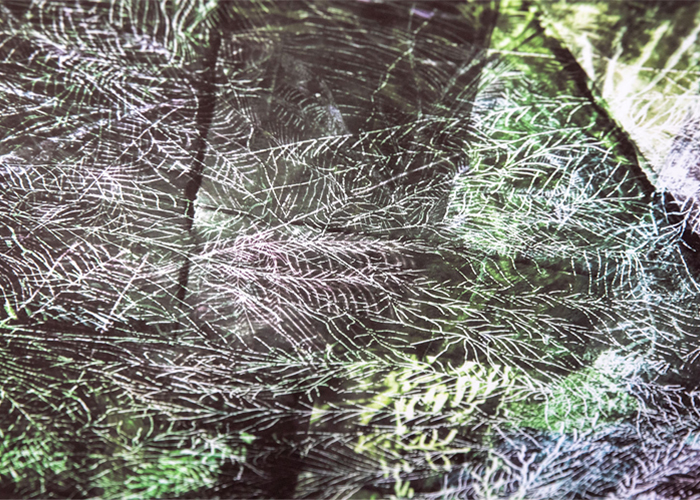
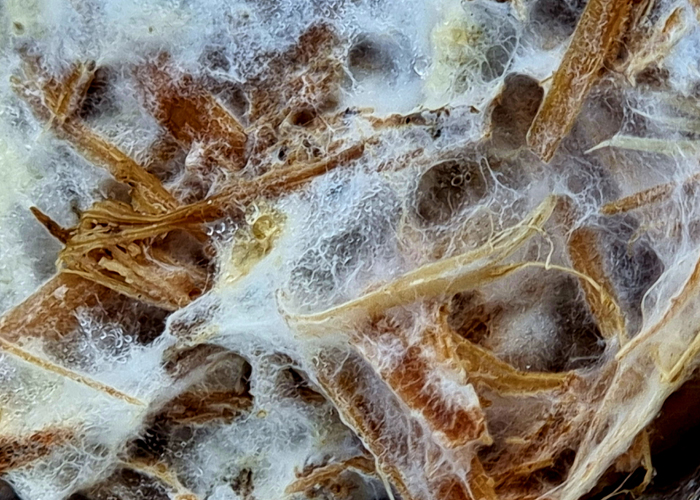
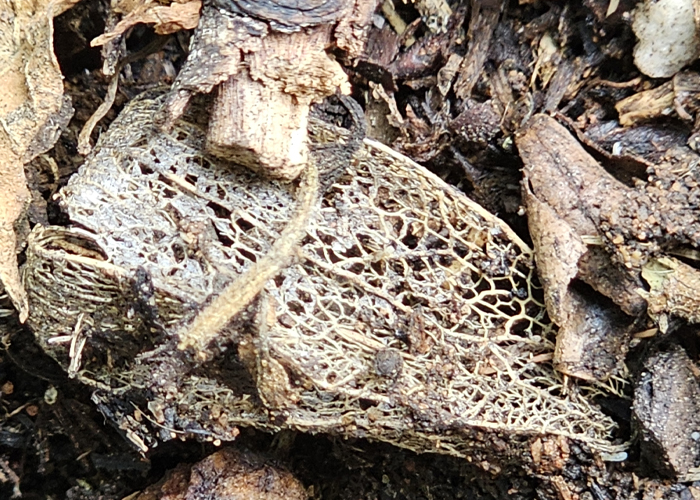
Mycelial Network Studies / Projects is a developing visual network of pre-human forms, fungi, lichens, mosses and slimes, a study and reverence for nature’s networks, mother nature and what she can teach us.
This is an ever-evolving creative project, with endless possibilities for connection, collaboration, and learning. A project that taps into storytelling, alchemy and art making methodologies to explore solutions, design, and resilience in nature.



Mycelial Network Studies / Projects – Artists Statement (Pauline Borton)
That’s the trouble with people, their root problem. Life runs alongside them, unseen. Right here, right next. Creating the soil. Cycling water. Trading nutrients. Making weather. Building atmosphere. Feeding and curing and sheltering more kinds of creatures than people know how to count. A chorus of living wood sings to the woman: If your mind were only a slightly greener thing, we’d drown you in meaning. The pine she leans against says: Listen. There’s something you need to hear. (Richard Powers, Overstory, page 4)
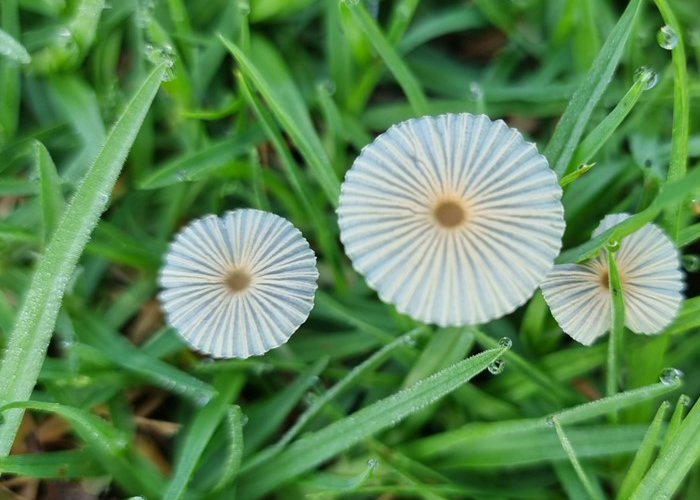
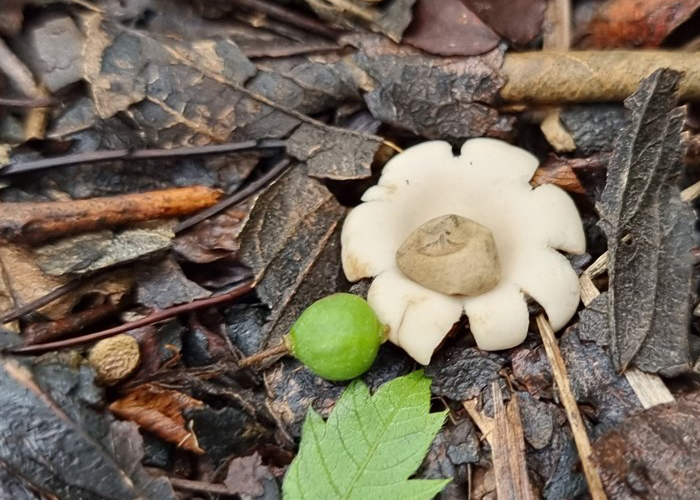
Observing mushrooms is about stillness, a calm, the quiet that engulfs me as I move away from the pathway and into the forest, treading carefully along the mulch – the world around me disappears and it’s just me and the tranquillity, a razor-sharp clarity settles as my eyes adjust as if adjusting to see in the darkness. I start to see shapes and forms that are not only autumn leaves, wintery yellow grass, acorns, and mulch, but small delicate fungal domes.
It’s the discovery that’s thrilling, the moment I suddenly come across a fungal form, fruiting or pinning, or even mycelial, I feel my adrenaline rise and then dissipate as I breathe out, breathe in and focus. It’s the quietness and clarity that stills my mind and the two feelings offset each other; a moment of balance materialises…equilibrium. I am reminded that it’s not just me in this world, it never was and one day I too will become a mushroom just like those before me and those after me. We are only here because of the earth, the ground beneath our feet and the often-invisible networks that connect us and keep us alive.
“The roots of all living things are tied together. Deep in the ground of being, they tangle and embrace. If we look deeply, we find that we do not have a separate self-identity, a self that does not include sun and wind, earth and water, creatures, and plants, and one another.” — Joan Halifax
Having to face a mushroom at a mushroom’s level and document it, is a humbling experience, for multiple reasons, not in the least of them being that you have be prepared to get dirty, venture into dark, dank and damp spaces, crawl under trees, be content with branches in hair, mud on your knees – letting go of any pre-programmed expectations of behaving gracefully – all these things, the way I look, the way I am meant to behave, and operate within man-made time, fall away and I find myself ‘’present’’, and to be fully present is easier said than done:
‘’to be lost is to be fully present, and to be fully present is to be capable of being in uncertainty and mystery” (Benjamin cited in Solinit, A Field Guide to Getting Lost)
And what could be more mysterious than a mushroom, mycelial network and the whisperings of the rivers and trees in conversation. My artworks are investigations into these conversations and observations, healing, networking, my journeys to wellness, my adventures, and my mycelial myths.




Memories and Mushrooms
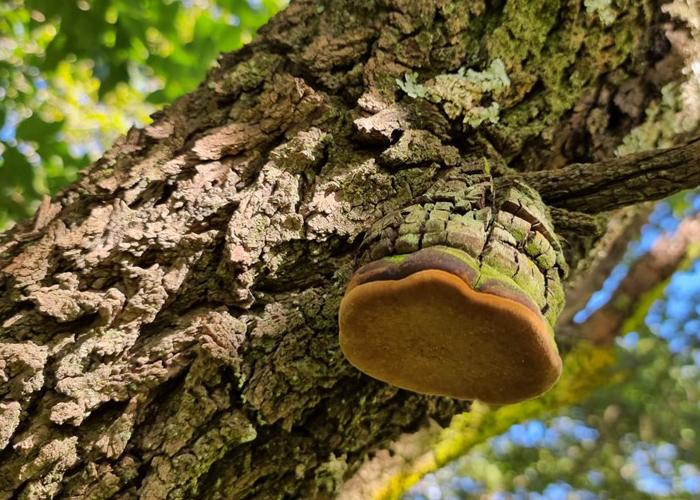
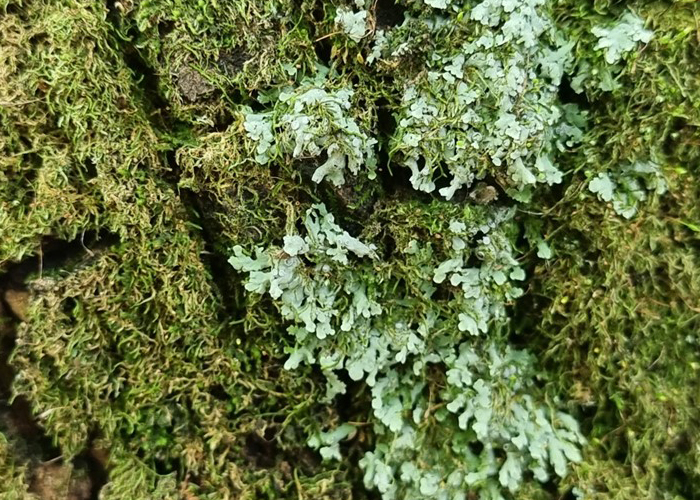
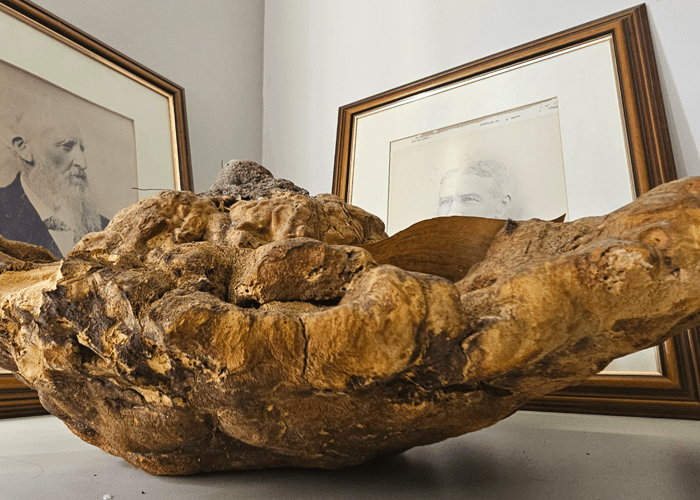
I am also delving into the social and cultural history associated with fungi and mushrooms, fascinated with taxonomy; the art and archiving systems that exist across the globe recording fungal biodiversity and the discovery of mushrooms, colonisation, and distribution of fungi. My search has led me to sites like Global Biodiversity Information Facility and Fungi Foundation who are using classification systems to map out their own mycelial networks representing the fungal kingdom. I took a deep dive into some cultural history surrounding fungi, discovering The South African National Collection of Fungi which is housed at The Agricultural Research Institute in Pretoria near Roodeplaat Dam.
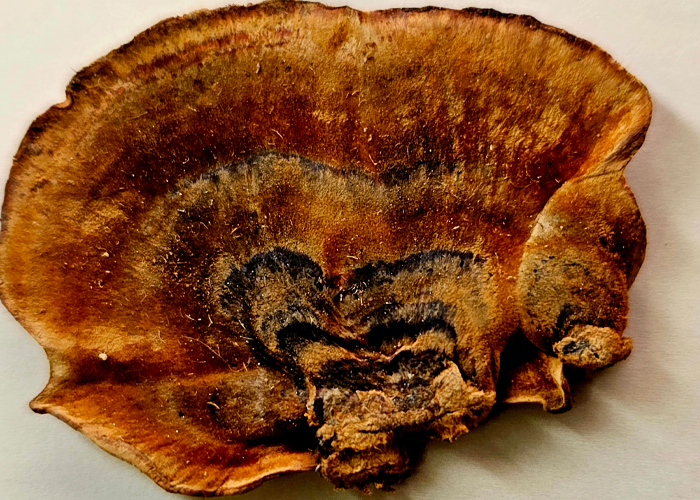
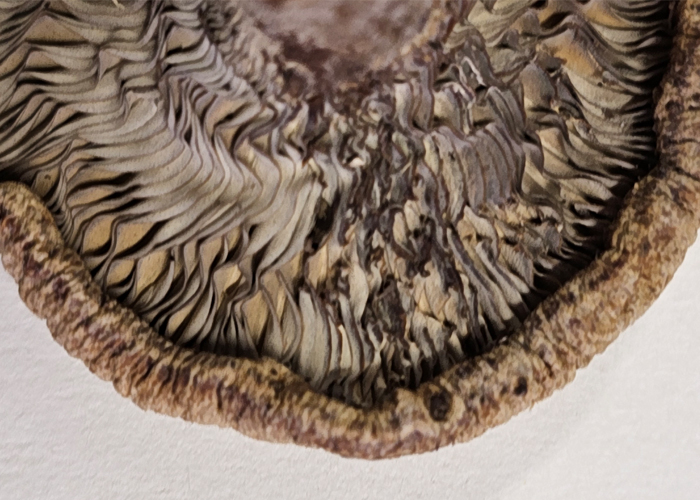
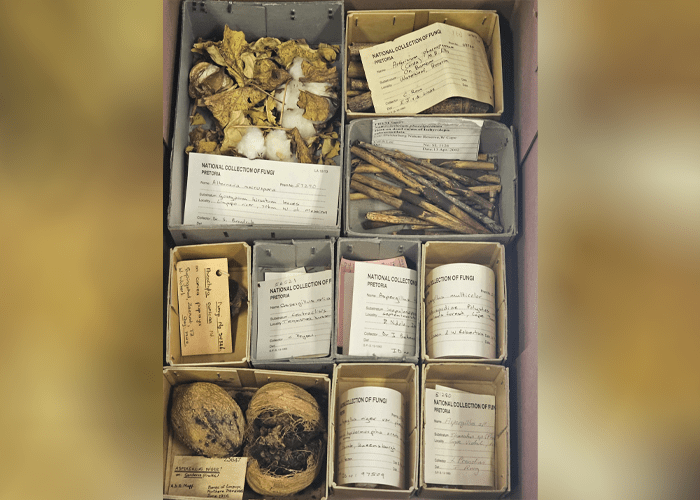
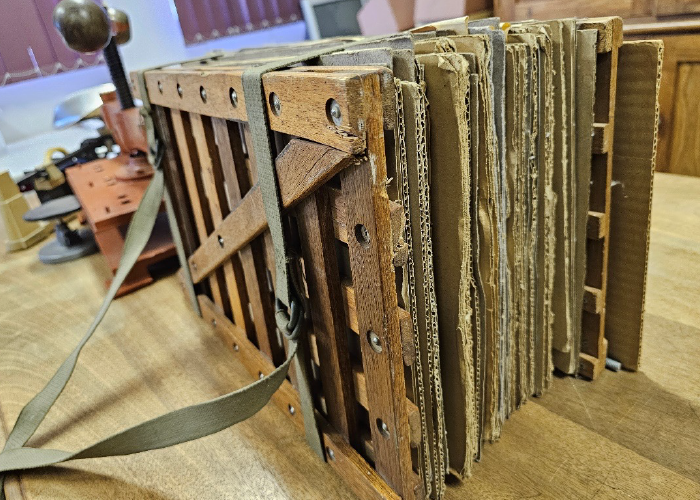
Adrianna Jacobs (Ph.D.), lead curator and senior researcher opened the doors to the Plant Protection Research Unit, the Bio systemics division: Mycology. I have been exploring PREM – the collection of dried specimens dating back to 1905, with beautifully preserved mushrooms, bracket fungi and petri dishes. Specimens are dried, as one would dry flowers, in a flower press, and placed in carefully annotated files. Some remain fully formed and placed gently in ornately designed storage cabinets. Other collections are “orphan collections” that the fungi archive have adopted over the years and continue to preserve.
There is an educational intent on preserving the memory of these mushrooms and fungi, through text, research, innovation, tactile experience, and indigenous knowledge. All while curating a space that houses tens of thousands of fungal specimens, giving us clues about our natural heritage and biodiversity.
I have been thrilled to find out more about the role of women in mycology through journal articles, books and interactions at PREM which start to reveal the role that women have played in identifying, preserving, and sharing their stories and memories related to mushrooms.




Intentions
It is my intention to continue to study and create projects that embrace and celebrate the role of the small things in our lives, the role of fungi, slime, mould and lichens that are deeply embedded in our DNA and are nature’s network, the invisible threads that connect us through time and space, across borders and demographics, across timelines, past, present and future, and which can very likely show us the way forward into a better future.
Body of work
Mycelial network studies:
– Visual Journals
– Database and Map
– Reading and Desktop research
– Scratch network drawings
– Photographs and collages
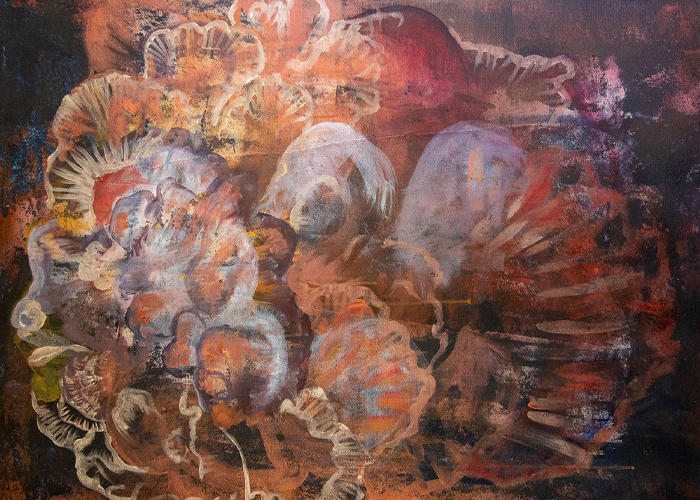
– Paintings and prints
– Hobbs and Borton collaborative works (Forest Floor and Mushrooms)
Visual Stories from the Archives
The South African National Collection of Fungi
There is something thrilling about encountering an archive of information about a subject one is deeply passionate about. It is equally liberating to be set free in a library of stories about mycologists, explorers and foragers, who with patience and dedication collect data, and share reflections with the national archive, dating back to 1970. The collection houses around 63 000 dried species and over 30 000 living specimens. When originally started in 1905 the centre largely focussed on plant diseases, over time the collection grew with the addition of dried specimens, which is what the images below represent, mini adventures into history and natural heritage.
History about the collection can be found here.
This post forms part of Pauline Borton’s visual stories about the National Fungi Archives at the ARC in Roodeplaat and connects her mycelial network studies from fungi archive to forest.

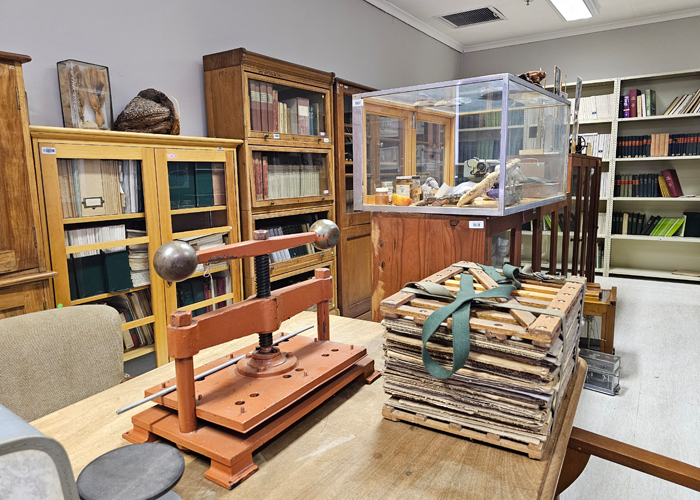
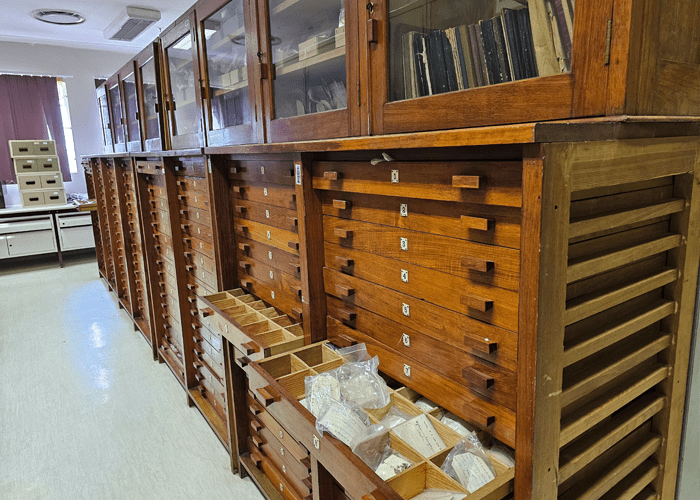
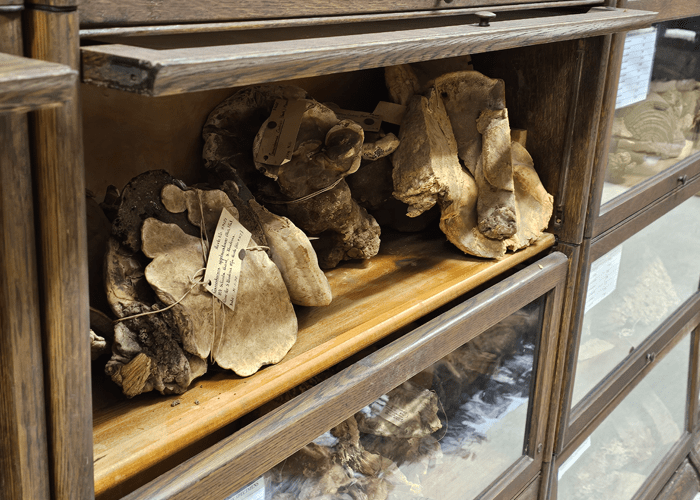
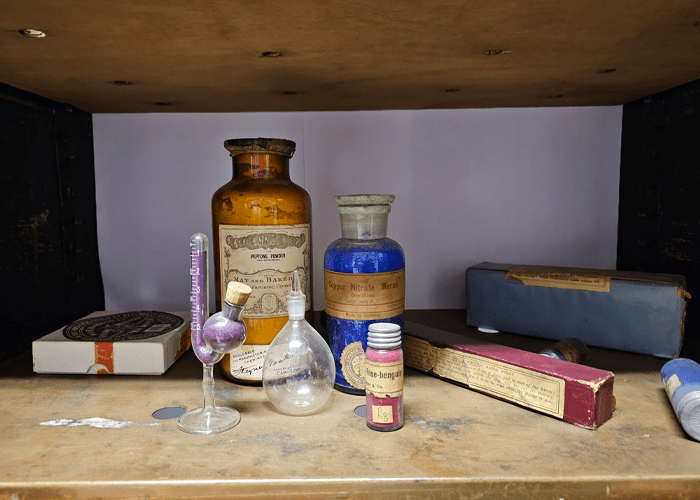
Immersive visual documentation
On 13 June 2023, I opened one of the many cabinets in The South African National Collection of Fungi (PREM) and became immersed in a collection of tiny fungi. It became a mixture of sensory observation and scientific data, and immersive experience in the quiet and cool space of the Pretoria base herbarium.
History about The South African National Collection of Fungi here.
This post forms part of Pauline Borton’s visual stories about the National Fungi Archives at the ARC in Roodeplaat and connects her mycelial network studies from fungi archive to forest.
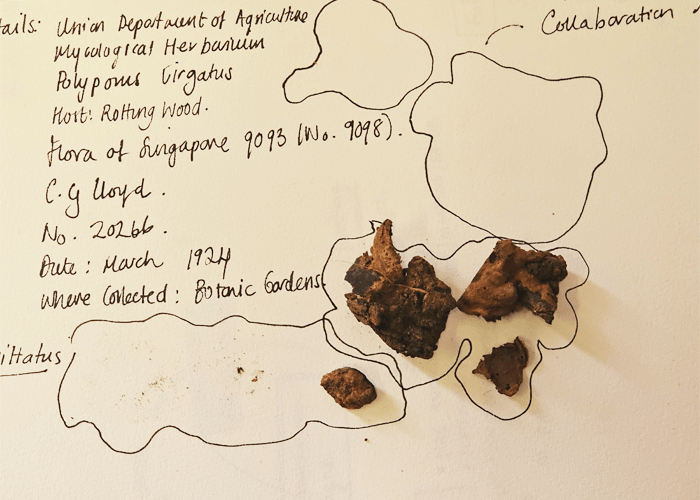
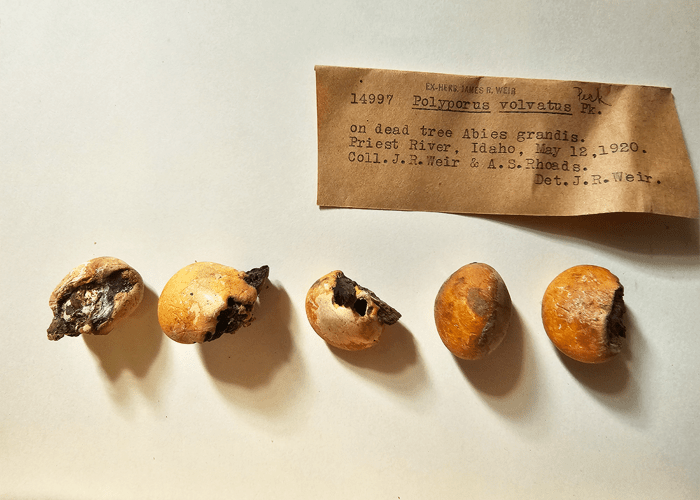


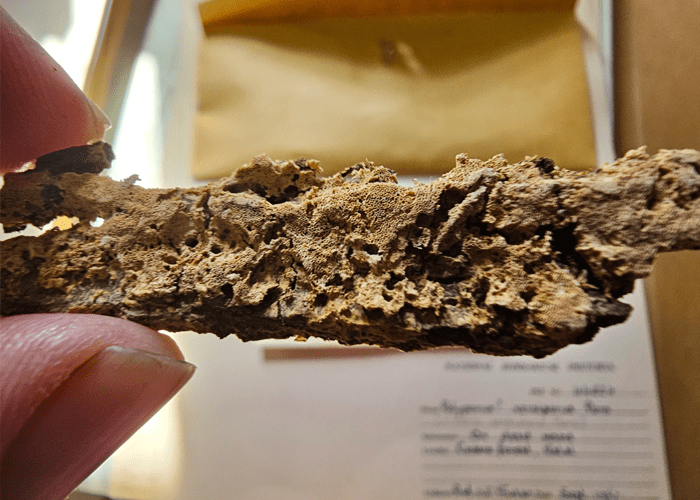

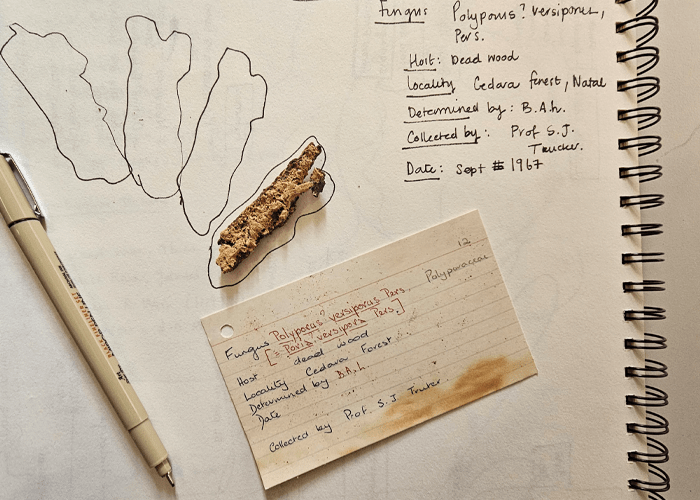
Veld Fire Fungi
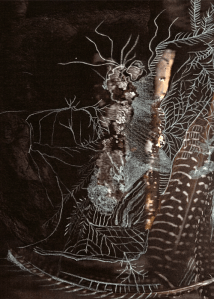
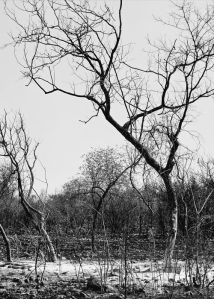
On a research trip into the Agricultural Research Institute one winter, I was struck by the monochrome veld fire ravaged landscape, and the connection between this, life below the soil and fungal networks represented within the National Fungi Archive.
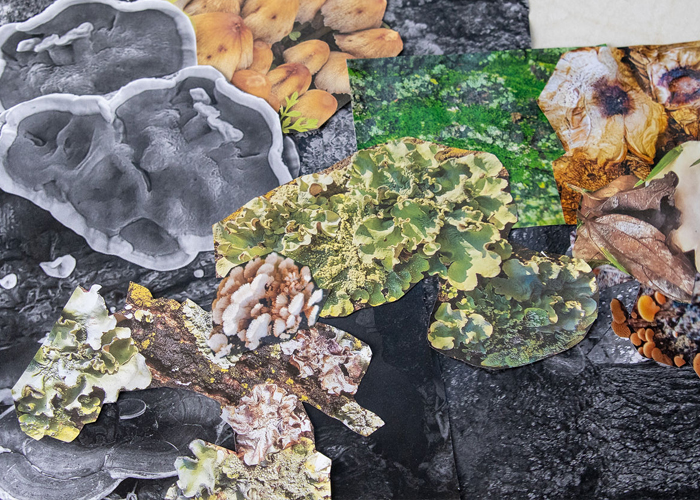
Veld fires in South Africa can impact fungal communities. Some fungi adapt and thrive post-fire, while others suffer from heat and changed conditions. Fungi are vital for nutrient cycling and soil health and are an important part of our ecosystem. Veld Fire Fungi is an image that represents these moments symbolically, and they were generated as soon as I was able to collage them in a studio space.
Artwork: Pauline Borton, Veld Fire Fungi, mixed media artwork produced after a trip to the ARC post veld fire (1 and 2).
This post forms part of Pauline Borton’s visual stories about the National Fungi Archives at the ARC in Roodeplaat and connects her mycelial network studies from fungi archive to forest.
Musical Mushrooms
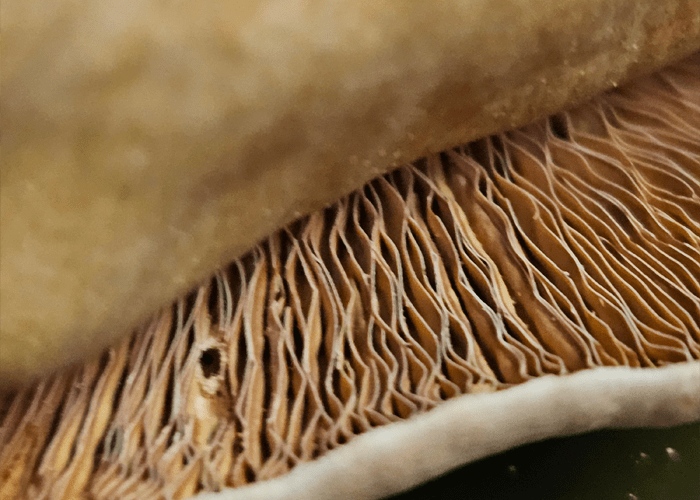
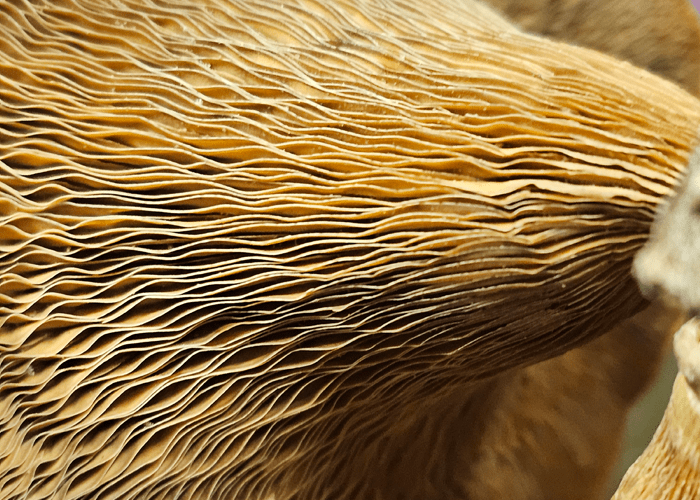
These images made me feel like the mushrooms were making music.
Images: Pauline Borton, photographs of Prem No. 42432, Lentinus sajor-caju, which is a type of mushroom, found by F.C Erasmus, Jan1963 on a dead tree stump, in Bosbokrand (South Africa). Image taken on a research trip at the National collection of Fungi, ARC Plant Health and Protection, Roodeplaat, September 2023.



Discovering Lichen
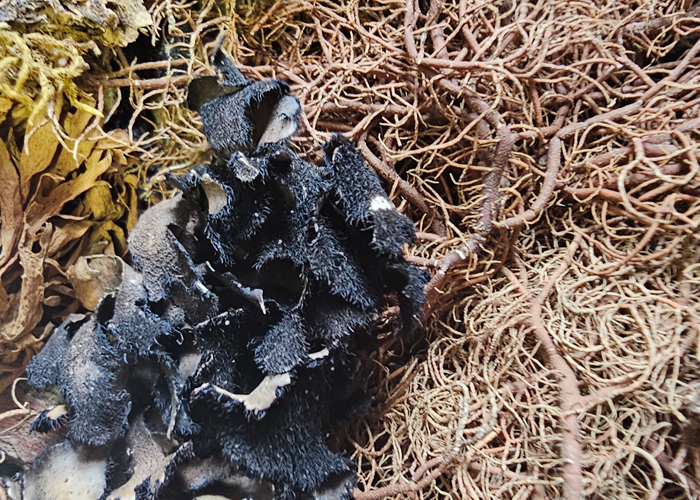
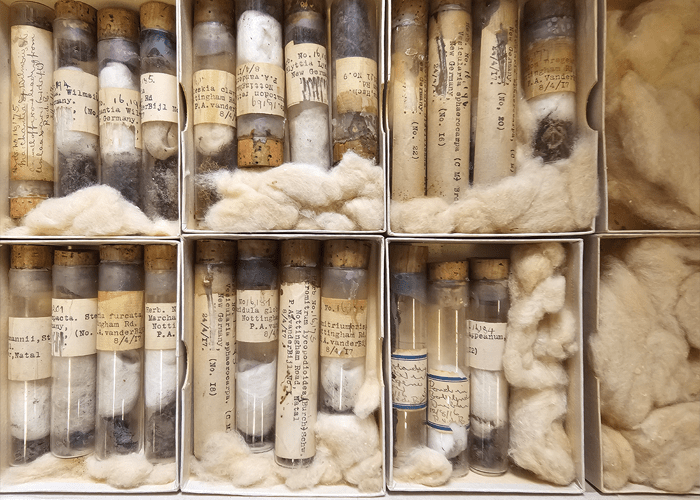
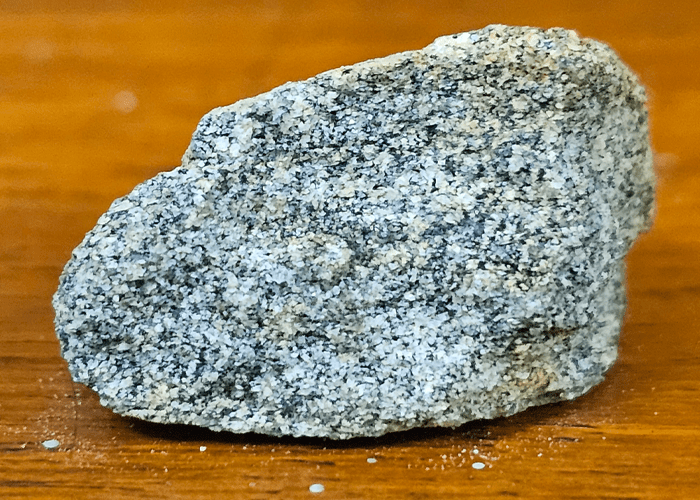
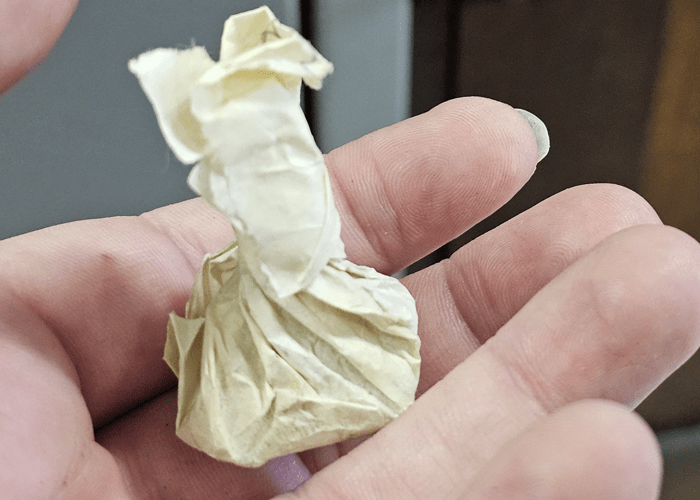
One of my favourite moments in the National Fungi Archives was opening an inconspicuous draw to discover a world of lichen. I spent several hours opening up beautifully wrapped rocks and gently covered lichen specimens to marvel at their intricacies. The world of lichen, fungi, mosses and slimes is a community of symbiosis, and there is a lot to learn from these tiny creatures.
Images: P. Borton, Discovering the lichen archive, within the National collection of Fungi, ARC Plant Health and Protection, Roodeplaat, November 2023.



Preserving a Story
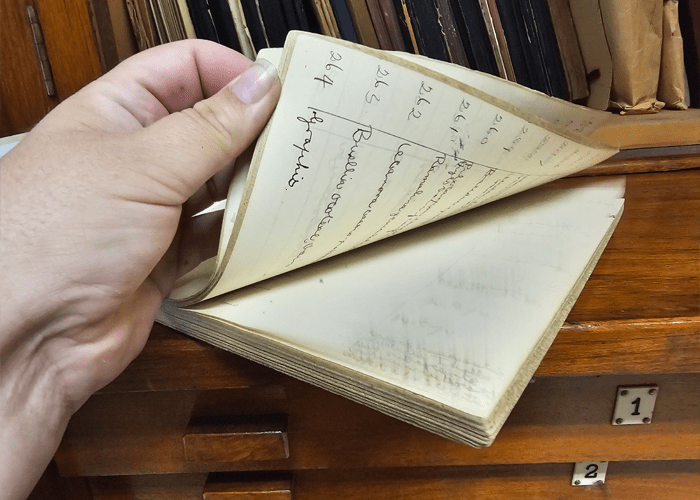
One of the special things about the South African National Fungi Archive is how the stories about each mushroom or lichen is saved, beautifully preserved, conscientiously notated, taxonomy acknowledged and preserved in specially made cabinets and draws. It makes me pause and think of healthier ways to reflect and share stories, slowly, creatively and with purpose in a fast paced world.
Images: P Borton Photographic research within the National collection of Fungi, ARC Plant Health and Protection, Roodeplaat Sept 2024.


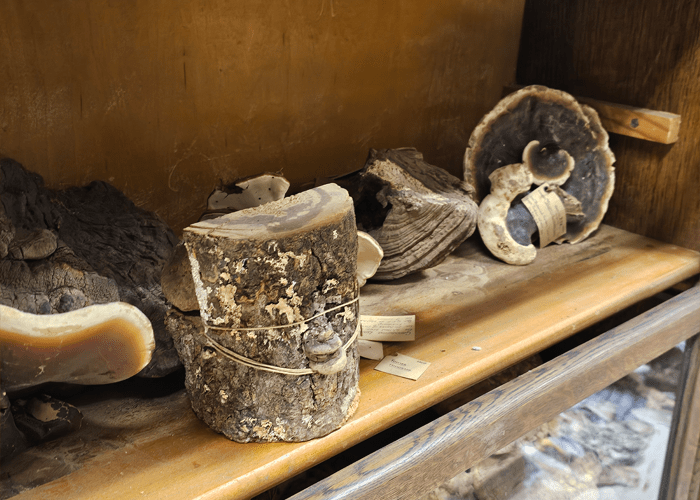

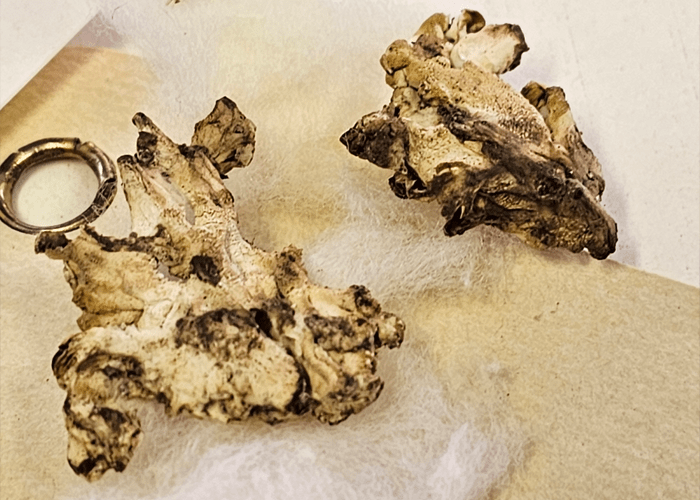
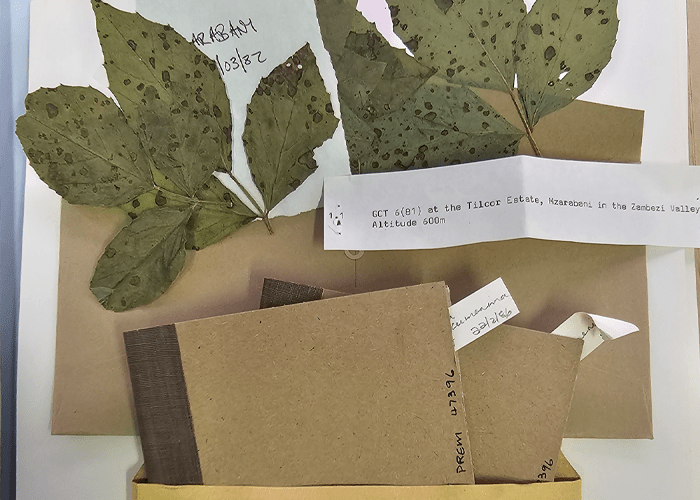
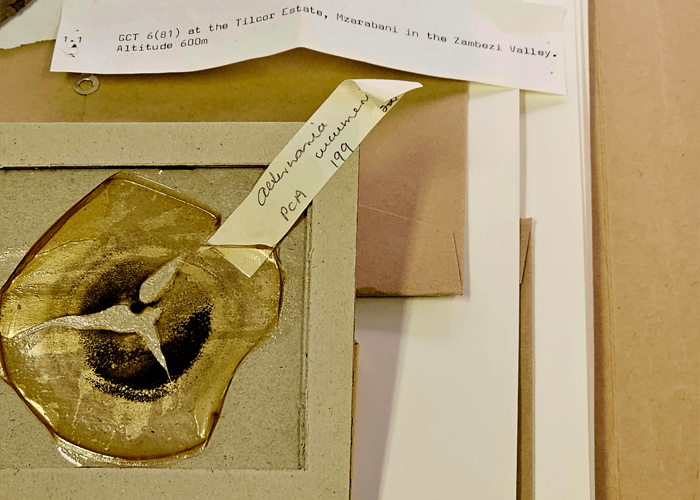
Visual Summary of some experiences at the National Fungi Archive



 PAULINE BORTON